I have spoken about how wild and wonderful the jungle here in Fiji can be, and having read the most wonderful book on wild spaces – Rewilding by George Monbiot – I feel inspired to show off some of the beauty that thrives when nature is left to produce its own works of art.
From the veranda.
My garden is what I believe to be an example how of human intervention and wild spaces can work together in harmony. I have areas set aside for my agriculture, producing more fruit than I can handle alone, but forming the border to my fruit farm is the most beautiful uninterrupted display of biodiversity. No further than a stone’s throw from my veranda, these plants are all free to be their most wild selves.
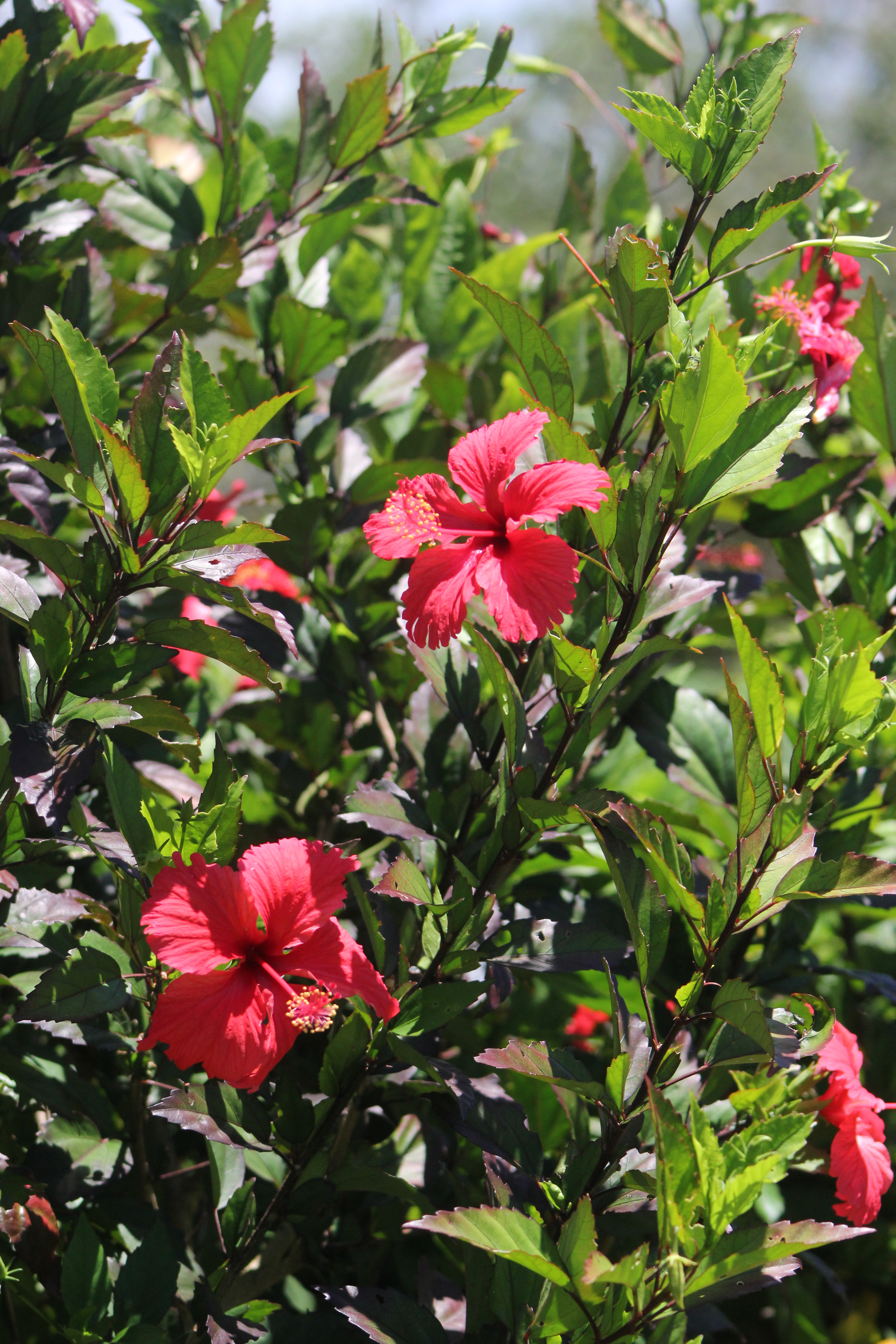
Perhaps some of the most iconic angiosperms of all tropical island paradises is the hibiscus. These flowers are everywhere, we even have main road called the hibiscus highway, and yes, there are flowers the whole way along! If any one flower could capture the natural beauty of Fiji – although since they are found in all colours of the rainbow, you could choose a different flower to represent every aspect of Fiji’s beauty, from reef to mountain – it is the hibiscus. I know I am not alone in this feeling, as someone once felt this way strongly enough to make it the national flower of Fiji. How appropriate…

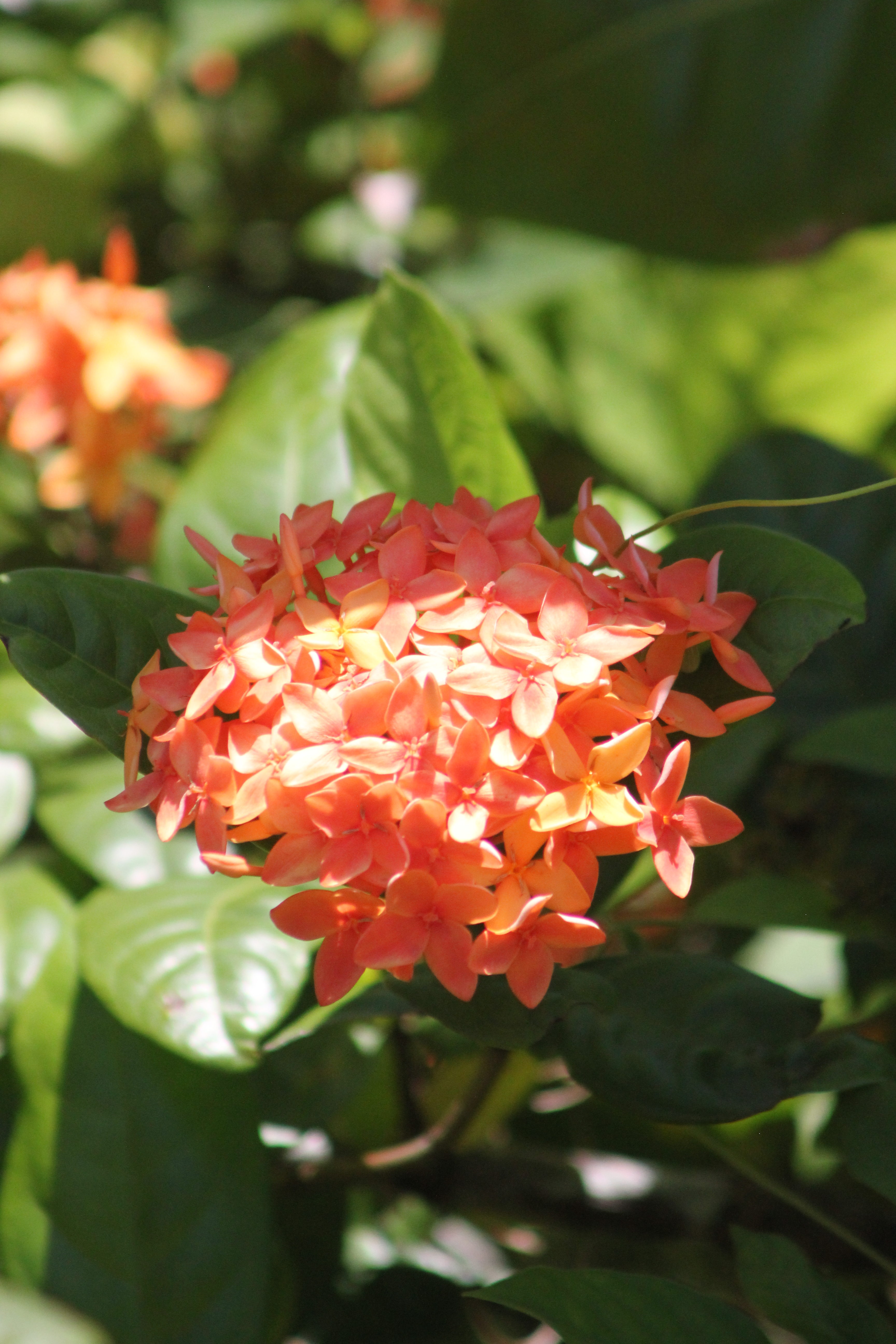
I can only describe the following shade as a coral orange, and quite coincidentally I find these flowers to be the most appealing of all. I love how the disarray of the individual flowers – all desperately expelling neighbouring petals downward in a constant fight for space – contrasts the extremely tidy and near perfect spherical doming arrangement. I am having difficulty identifying this species, I believe given the densely packed arrangement of flowers that they could be a hydrangea of sorts, but please correct me if you know better!

There are so many exquisite angiosperms the please many of the senses. They smell like the purest natural perfume, please the eye with unique colours, and the wildlife which they support hums, buzzes, tweets, and creaks. I have too many pictures of wonderful flowers to write about them all so I will post a small gallery below, which will give you a small window into the festival of colour displayed in Fiji.

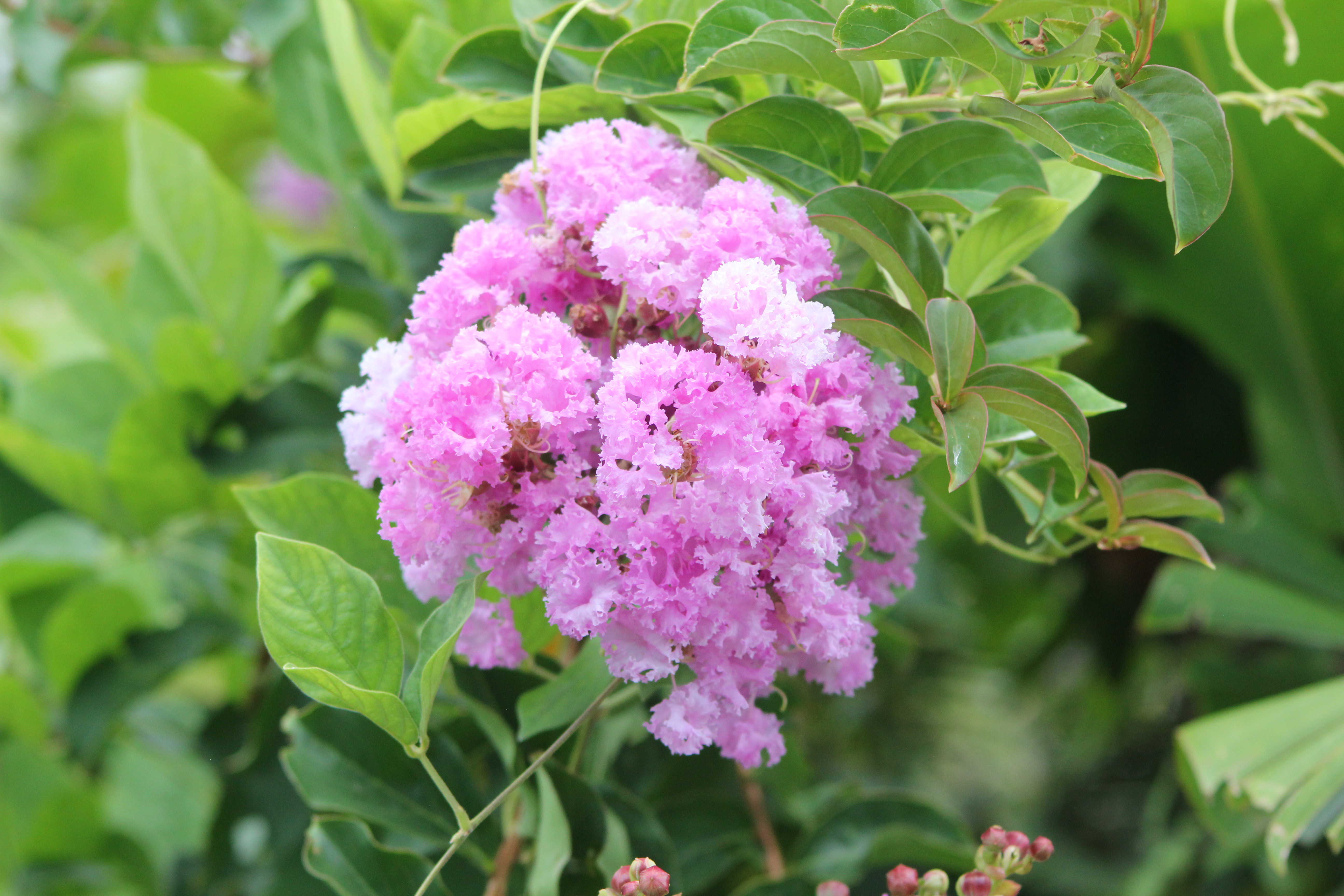

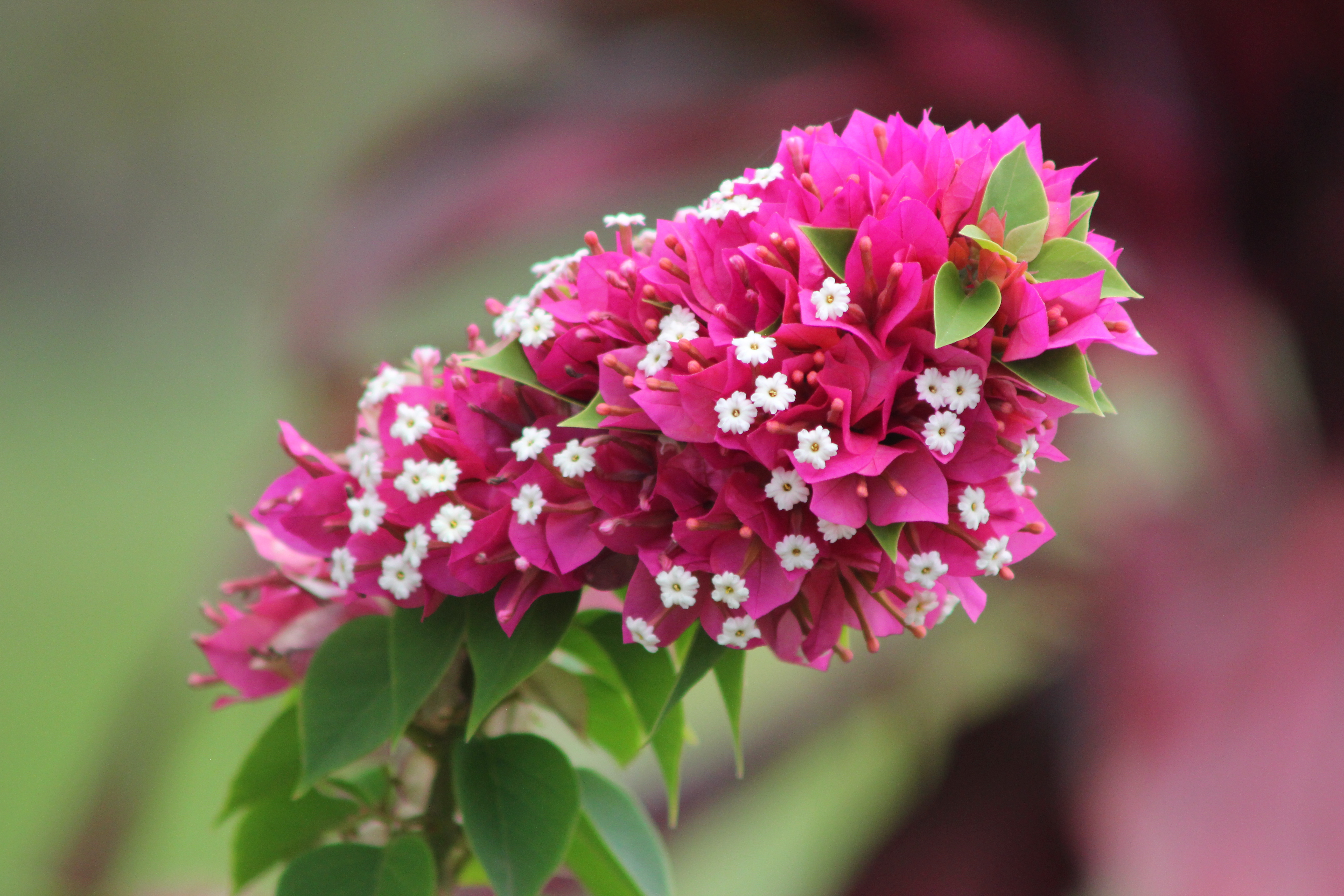

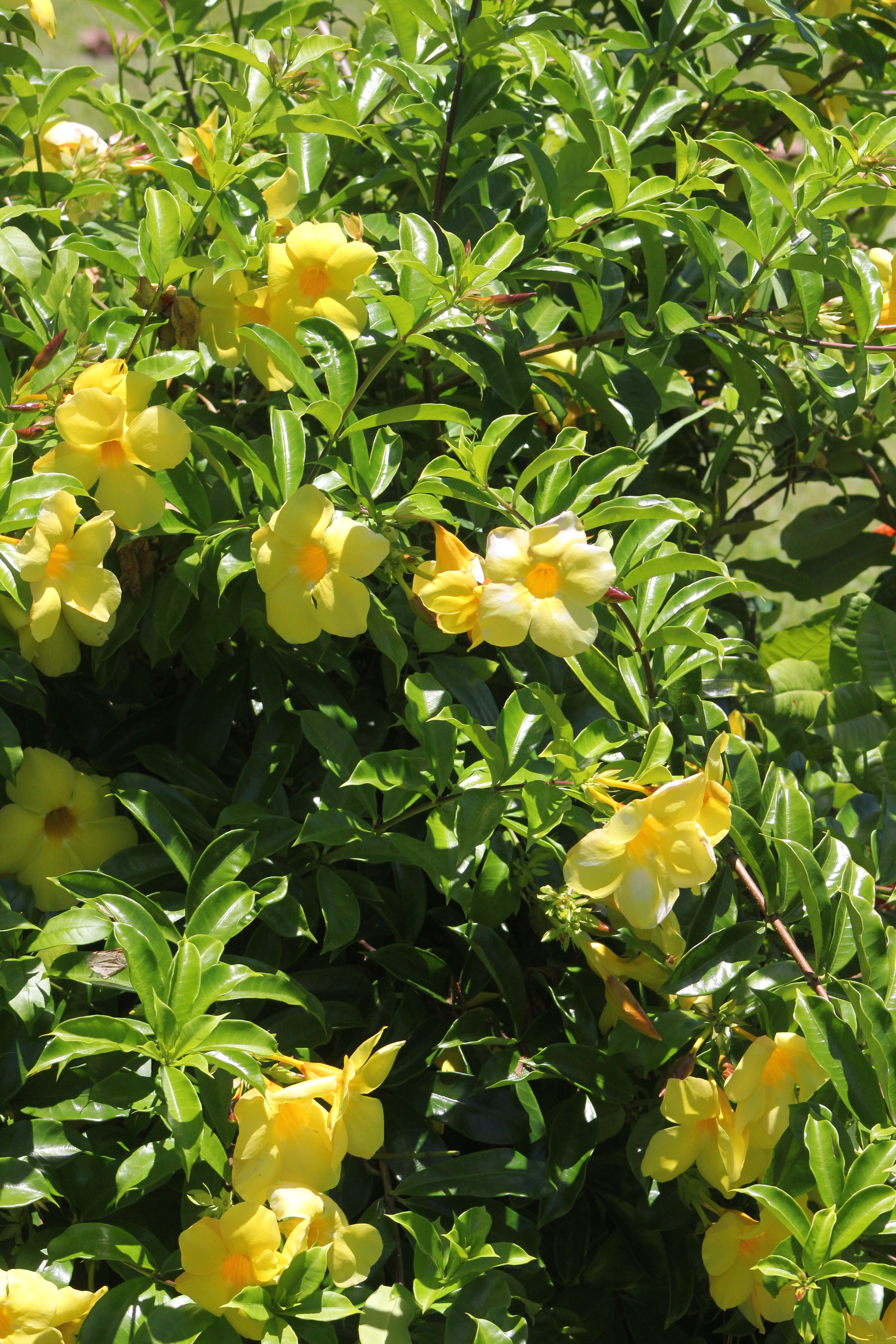
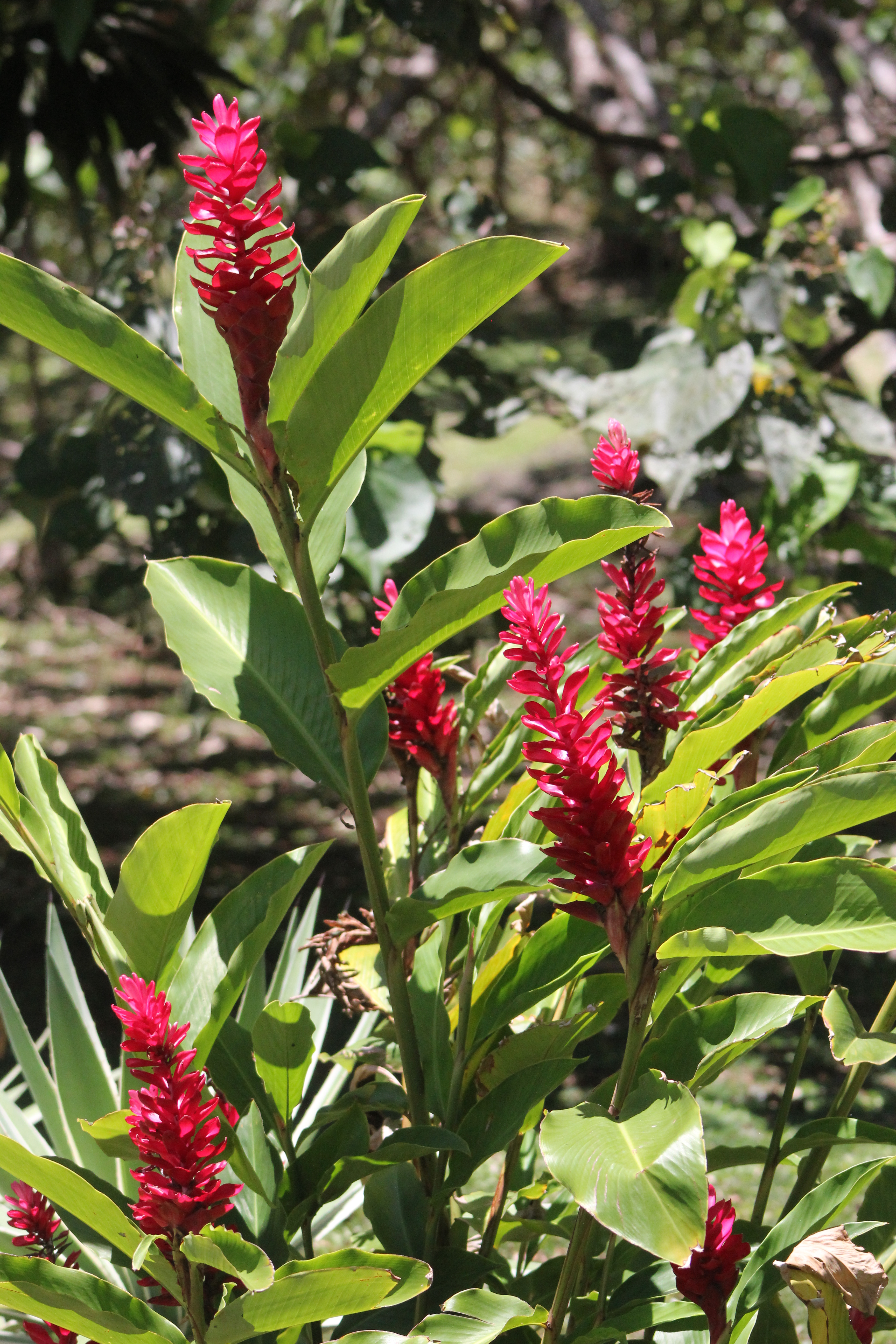
It is important to note that the furthest distance from my veranda that I had to travel to take any of these photos was a 5 minute walk. They really are all within touching distance.
Fruity flowers.
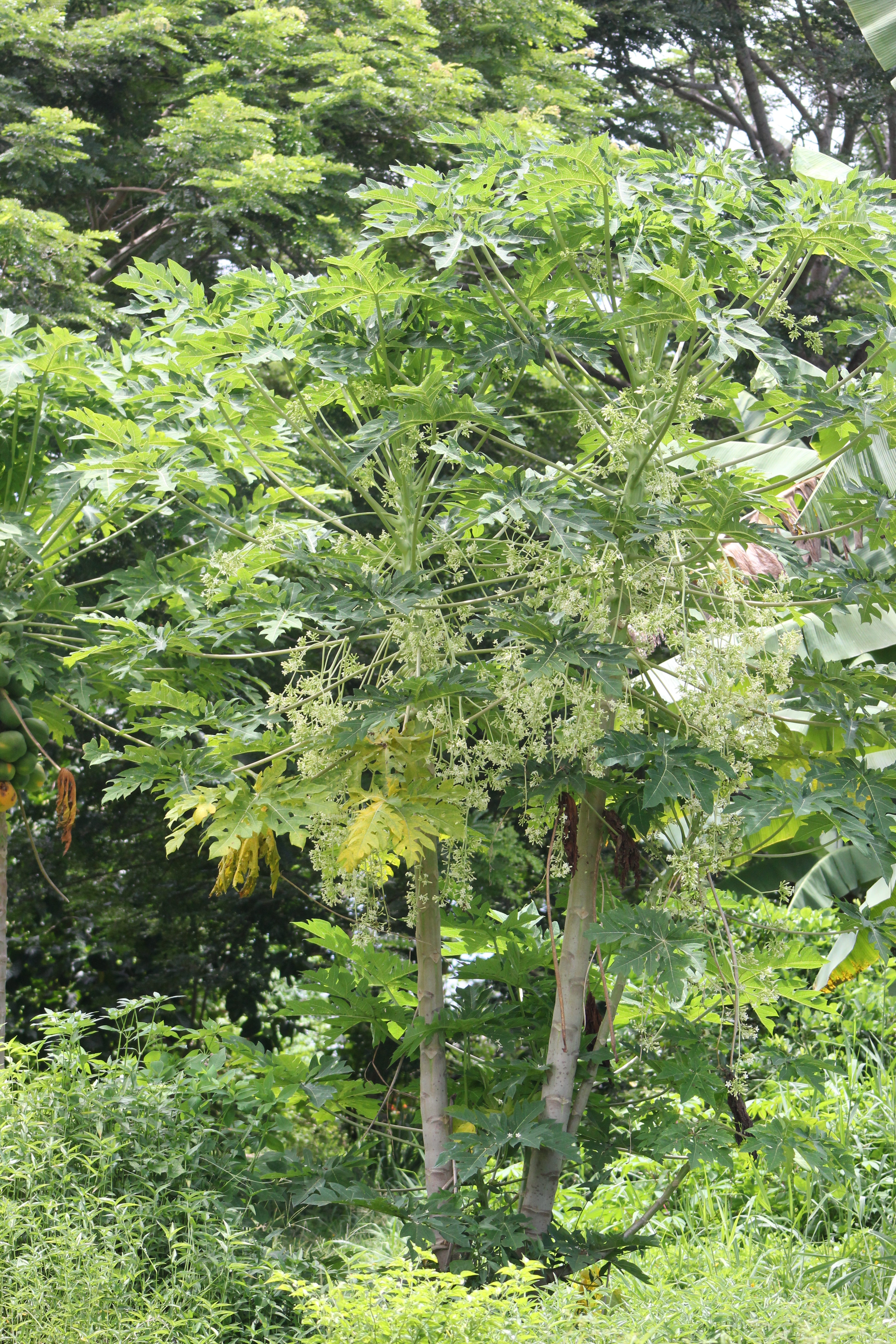
Papaya trees are as common as the soil in which they grow, and it is easy to look only as high up as the lowest hanging fruit, but the tree deserves more attention than that!
Firstly, they flower with mutely coloured, geometrically complex, and pleasantly scented flowers. It is no mystery where the fruit gains its sweetness from, as the flowers smell sweet like a syrup but with an edge of bitterness that widens your eyes and raises your eyebrows.
Secondly, the flowering of the papaya depends on whether the tree will ever bare fruits. They are referred to as ‘female’ and ‘male’ plants, but I prefer to call them ‘papa-ya’ and ‘papay-na’ because one fruits and one does not! And the way to tell is in the structure of their flowers.
On the left, you can see a papa-ya, with the flowers blooming right up close to the joint between the branch and the trunk, and on the right you can see the papay-na, which extends its flowers on the end of long stems far away from the trunk. The flowers themselves are totally different too, as the role of the papay-na is to produce pollen, which is transported predominantly by wasps to the flower of the papa-ya, whose flowers house the ovaries. Upon pollination of the ovaries in the papa-ya, our beloved golden nectar bombs are created.
So the golden rule for the golden fruit is; if your papaya tree isn’t delivering you and parcels of sweetness, check the flowers because you may be growing a papay-na. Simply keep it healthy and replant a papaya so that the two can work together to create magic.

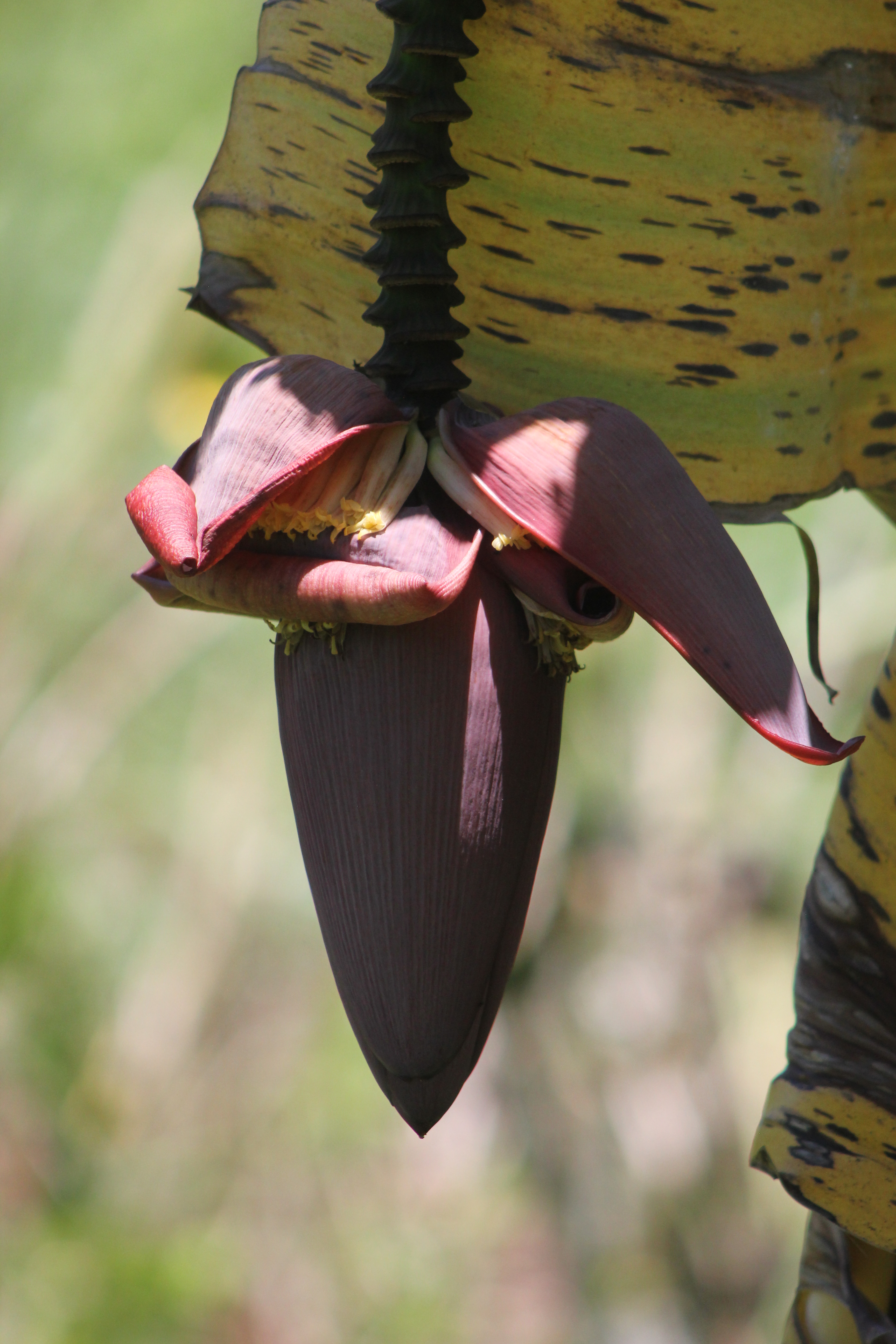
The heaviest flower I have ever encountered is that of the banana. Weighing over a kilogram, and reaching almost 30 centimeters in length, the flower itself is culinary tool used in a lot of Asian cooking to provide a sweet and floral note to a masala, or spice blend. The entire flower is edible and is also becoming popular in vegan dishes as a tasty meat substitute!
Fading away petal by petal until a colossal bunch of bananas are ready, the plant invests an enormous amount of energy into growing such a large crop. So much, in fact, that one shoot will only ever produce one bunch of bananas, and will collapse, making way for a brand new shoot from the same root.
Supporting over 20kg of bananas at once requires a sturdy stem, but the banana doesn’t even find its strength from wooden structure. Instead, densely packed leaves are rolled together, and glued together with a sugary sap, making the shoots extremely flexible, and as sturdy enough to carry their fruit.

Below the petals.
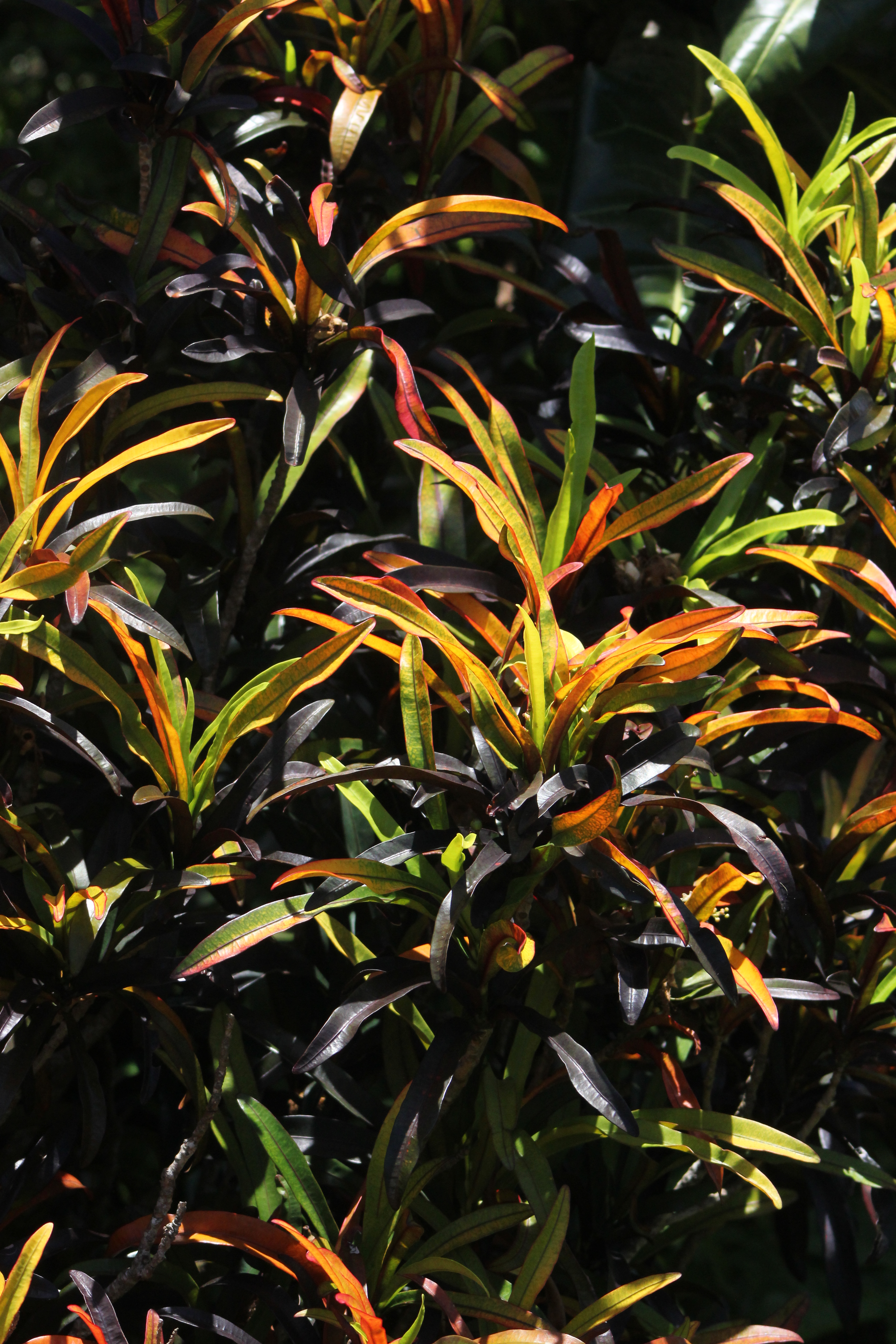
Flowers can easily steal the garden show, but the non-flowering bushes wont let them steal the limelight so quickly. The leaves of the garden croton (Codiaeum variegatum) remind you that Fiji was born from a fiery volcano rising from the seafloor. The leaves are so vivid and look fresh from a blacksmith’s forge they way their red and yellow glows among darker, charred leaves.

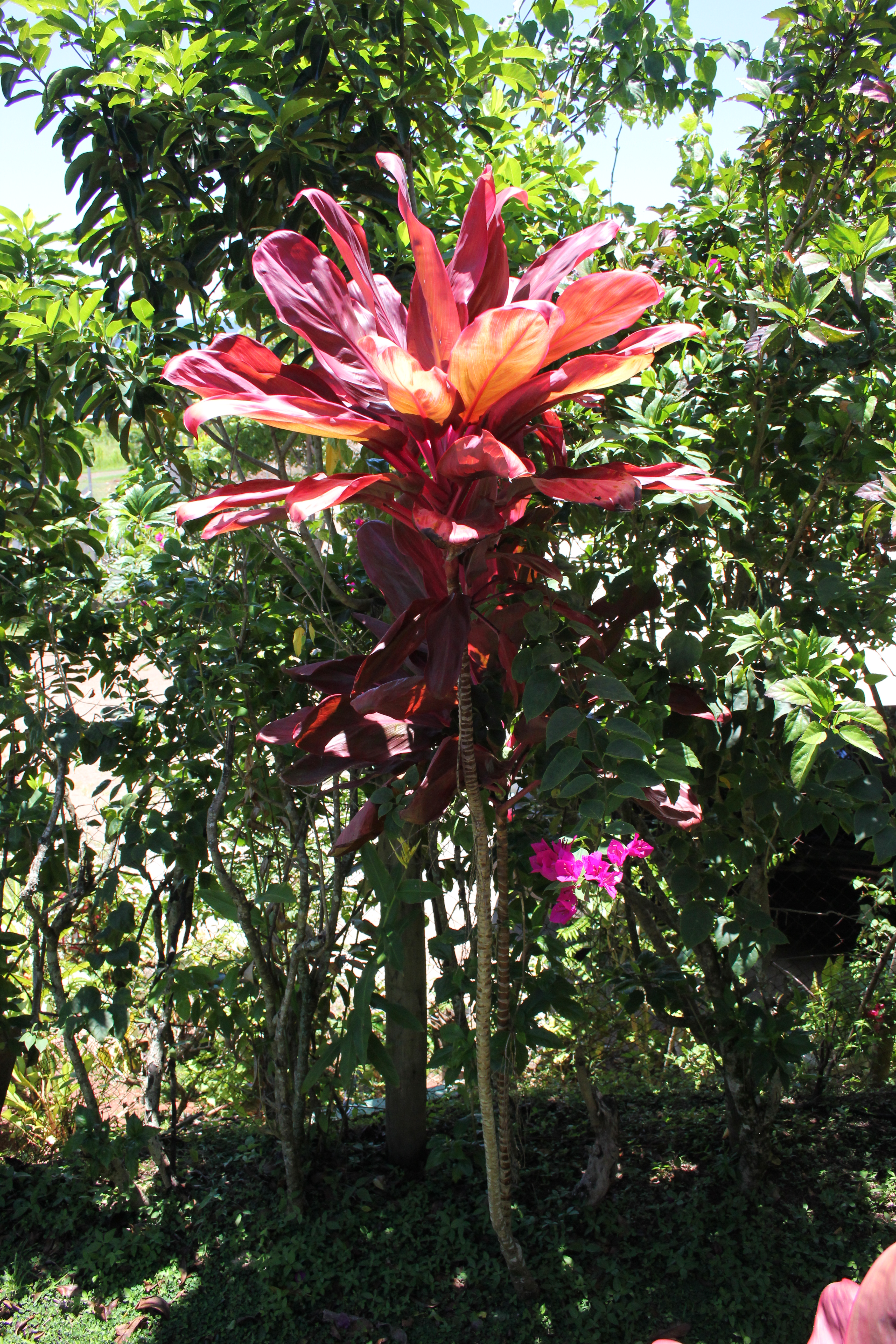
Solid green hedgerows, enclosing my fruit farm are broken into smaller blocks by the rusted auburn palms of the ti plant, or cabbage palm (Cordyline fruticosa) which stand out so vibrantly against the green. This plant is very common here but its colourful leaves and chalky stem always catch my eyes. The leaves can even by used to create dyes, and to some, the plant symbolises a connection between the living and the dead… Perhaps this comes from the blood or flesh-like colour of the leaves?

Wild is wonderful.
Fijian soil is highly acidic, making it difficult to cultivate certain crops. Many famers rely heavily on ‘lime’ to neutralise the soil, which has implications for the health of the ecosystem surrounding the farm. Fortunately, Fiji has a very small population compared to its land mass, so unlike in the UK, only a small area is set aside for farming. The rest is left to its natural best, and how beautiful is wild?
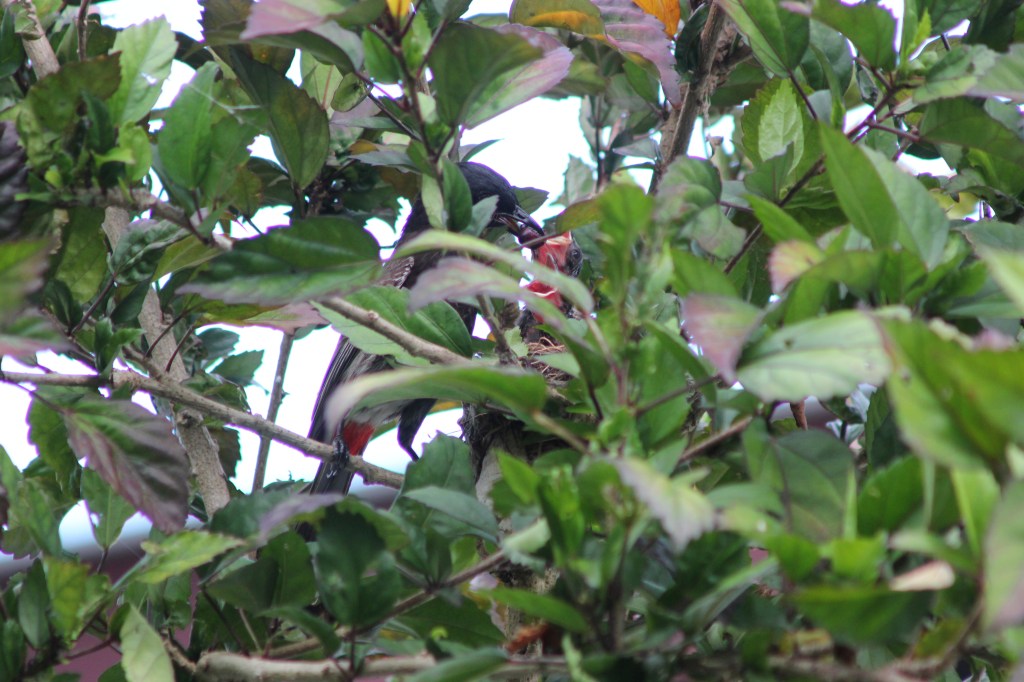
Not even 5 meters from my breakfast, I noticed a red bulbul returning to the exact same place in the bushes, and with my zoom lens, I could see two gaping mouths pleading for food each time the parent returned with a handsome beak full of fruit and seeds. It was so beautiful to see nesting birds so close, which only makes me wonder how much is hidden inside the the areas I cannot reach.
I, like George Monbiot, want more of the world to be wild, so that everyone can experience the pleasure of witnessing how life flourishes when it is allowed to transcend human control. We are such control freaks but if we can learn to loosen our grip on mother natures weary neck, one day, we may all have a road near us called the ‘hibiscus highway’ for all the right reasons.
I don’t believe it takes much to make a big change. Perhaps planting a new tree if your garden has space, or leaving a pile of old wood for the insects to inhabit. Let the hedges get a little bit out of control so that birds have somewhere to live. We don’t have to live in a perfectly neat world, there is far more to beauty than being in control.
I leave you with one final question. Did you know that there were once elephants and hippopotamus stomping around the UK? There are many trees which still grow in our forests that evolved to ‘elephant proof’ themselves. It really wasn’t that long ago. Wouldn’t it be great if we let Britain get some wilderness back?


 Sam Snaaps
Leave a reply to jamesbondfranks Cancel reply