I didn’t return to Savusavu to potter through my days enjoying the picturesque landscapes, drinking a beer with my friends as the sun goes down over an ocean full of fascinating creatures, processes, and interactions. This to me is eutopia, and eutopia is what I am dedicating my career to strive towards.
I took this opportunity to apply my knowledge of marine conservation to a small part of the world which I believe deserves preservation while we figure out what we as a population really value from our planet, and one day, we might be able to bring environmental health and productivity back to its former glory.
To me, the importance of protective legislation underpins all aspects of marine conservation, which is propagated by effective scientific monitoring, and communication to a receptive and strong-willed society. This triangle between the people, scientists, and governing authorities are the pillars on which we must build our healthy environment into the future.
The Ghostly Threat.
The first step is to understand the services that a healthy ecosystem around Savusavu provides to society.
A phantom haunts the conscience of everyone in Savusavu at this time of year. A phantom which has caused death and destruction in years passed, and gives very little warning before its arrival. The phantom is of course the thought of a cyclone ripping through Fiji, with the potential to strip a village to its bare foundations, indiscriminately taking everything from everyone in its path.
When fought head to head, this vicious beast takes no prisoners, unless of course our most powerful ally – mother nature – is permitted to stand by our side in defense.
Three dimensional structure on a healthy reef dissipates enormous amounts of wave energy before storm surges barrage through villages. Mangroves anchor loose sediments and create another line of defence against wind and waves. Even a healthy terrestrial forrest can take far more of a beating than a fragile wooden bure with an aluminium roof.
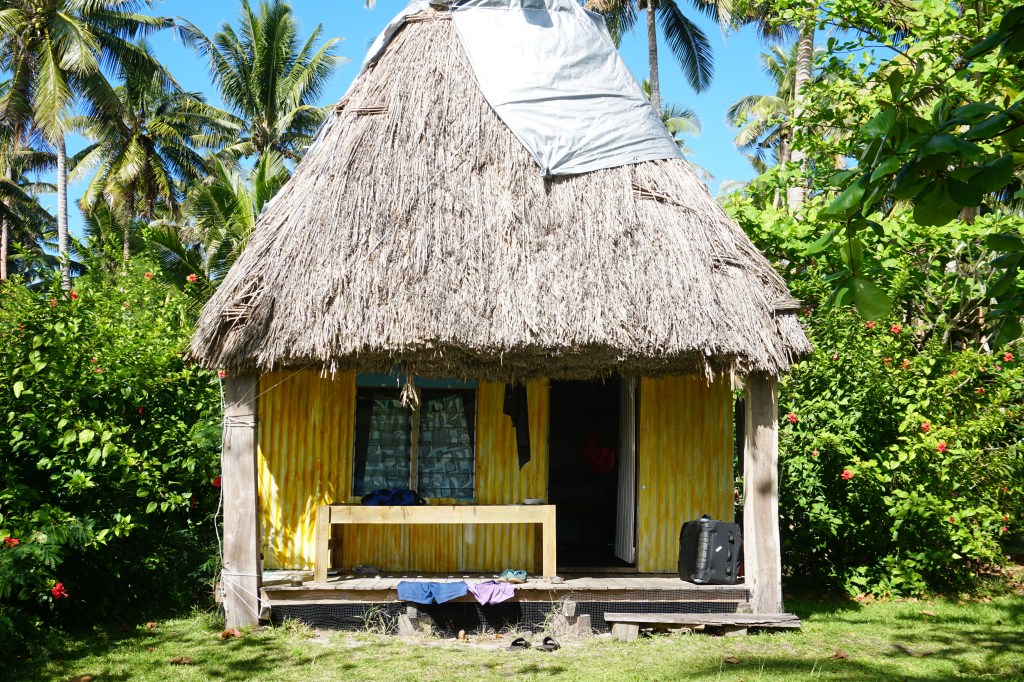
This was my first ever home in Fiji, a typical thatch roofed bure – not very cyclone proof if I’m honest.
Without a strong, resilient reef and row upon row of mangroves right in front of the village, this bure and surely many others would be totally unable to withstand a strong storm, let alone a cyclone that blows winds over 250km/h, like cyclone Winston in 2016.
All the new coastal development and mining which occurs as Fiji grows puts coastal habitats under immense pressure. That is of course if they are not entirely destroyed in the development process.
Gold and silver mining in Fiji is a major source of income, because of which, deforestation is rife. Meanwhile, as Fiji develops, demand for space rises, and while Fiji is largely an undeveloped nation, nearly all growth occurs almost entirely on the coastal zone, may it be for seafood, tourism opportunities, or even accessibility.
A perfect example is the new marina in Savusavu: Nawi, which now lives in former mangrove forrest on a dredged, and scarred island home to only the ghosts of the wildlife that used to live there.
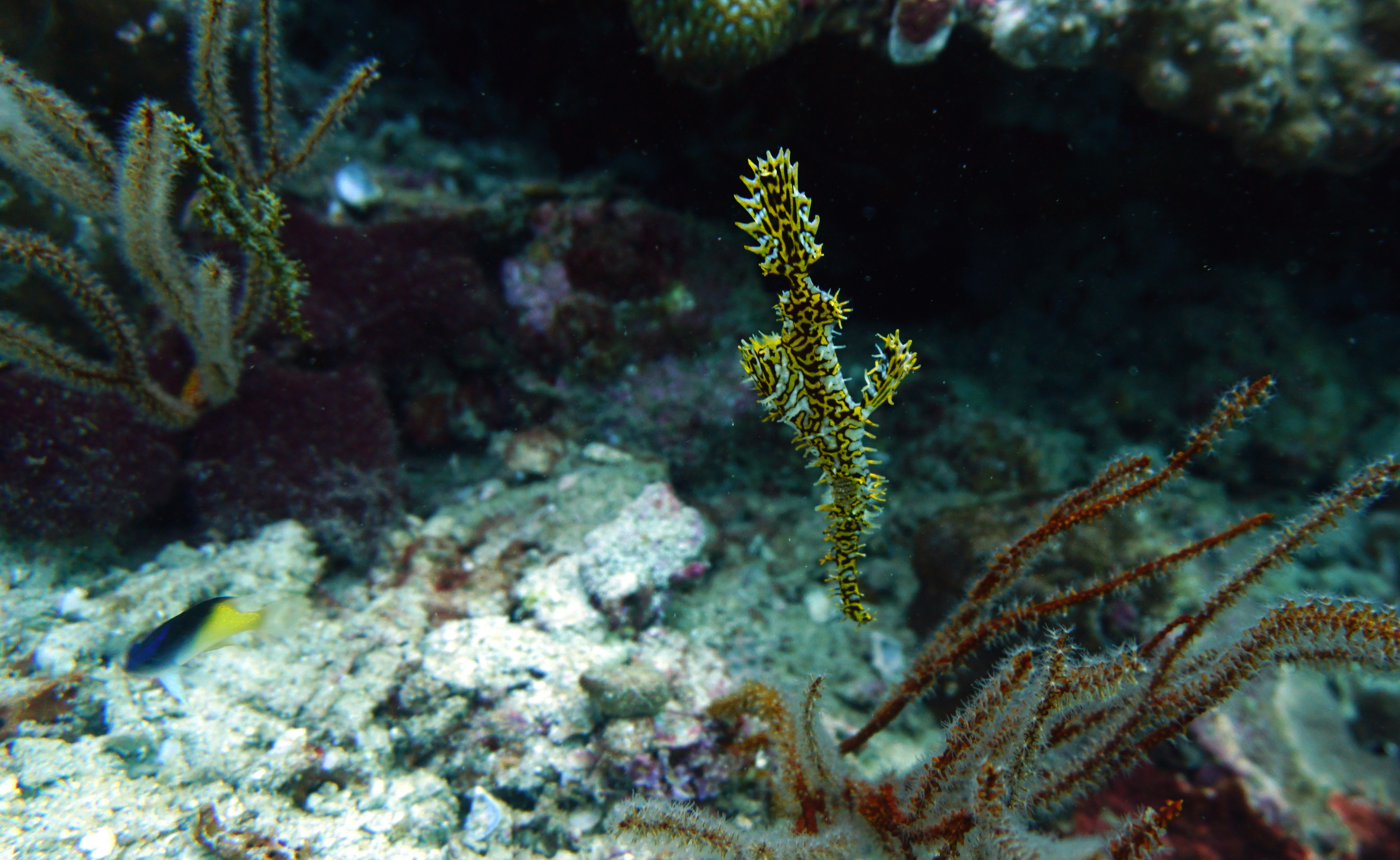
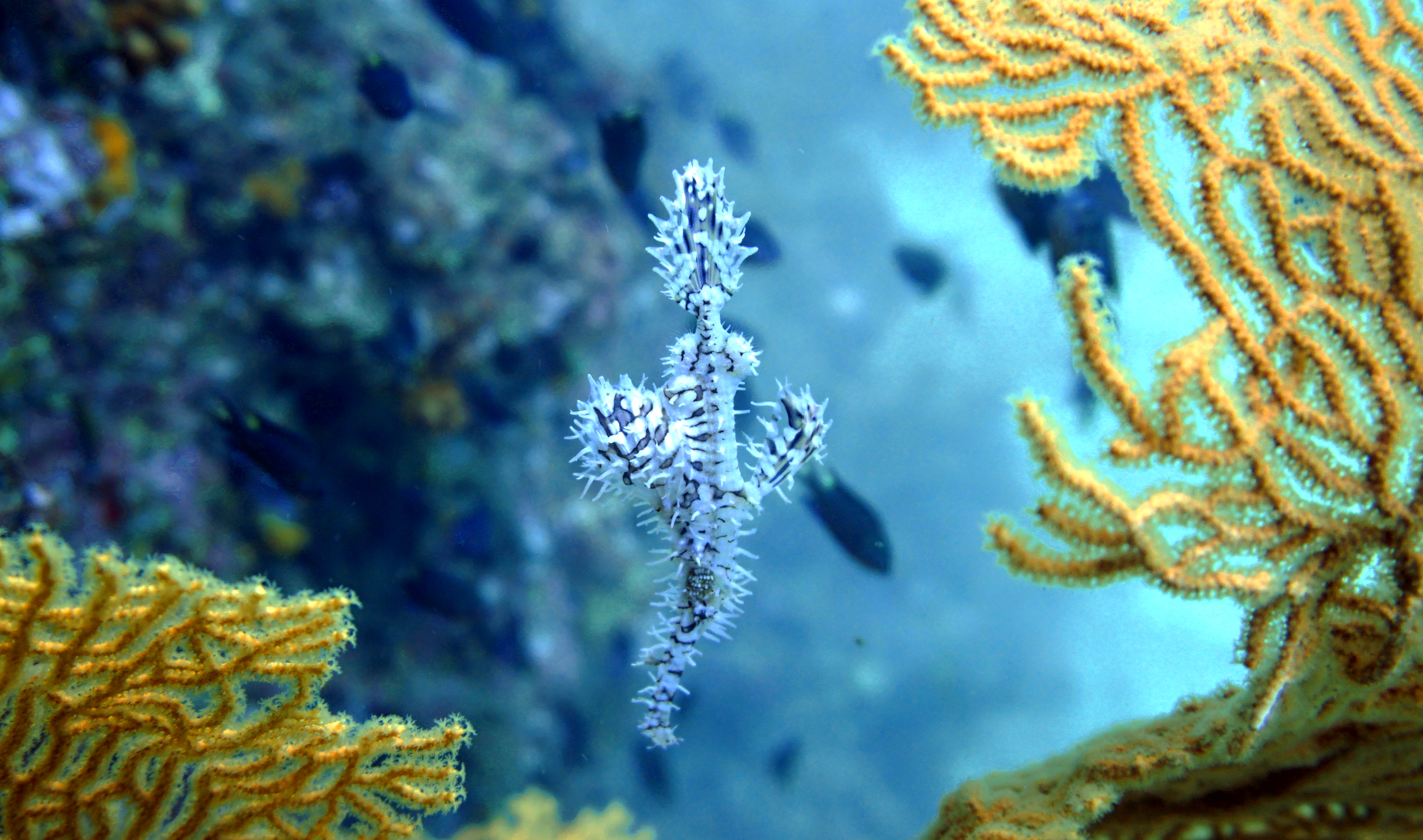
Here is a quick break from doom and gloom, and speaking of ghosts, the ghost pipefish, related to seahorse, one of the most ornate, yet well camouflaged fish you might never find on a reef. Now back to destruction…
Pressure on natural defences including the aforementioned reefs and mangroves has never been higher, and without robust protection, towns – both new and old -face natural disasters head-on.
Feeding Fiji (and China).
Fishing is a direct threat to the ocean. Removal of biomass is arguably the most direct threat possible to the health of the marine ecosystem, but is largely dependent on scale as a healthy ocean is resilient, and can recover.
The fishing industry in Savusavu is by the people, for the people. What is caught is sold in the local market, and the fishing methods limit bycatch, impose no destruction to the seabed, and leave enough for tomorrow.
Sadly this story isn’t consistent throughout the country. Commercial fishing for tuna (albacore and skipjack) and mahimahi are the two most prominent sources of both income, and exploitation. Shark, dolphin, and turtle populations suffer enormously as bycatch as commercial long-liners catch, discarding the numerous dead animals which they didn’t intend to catch.
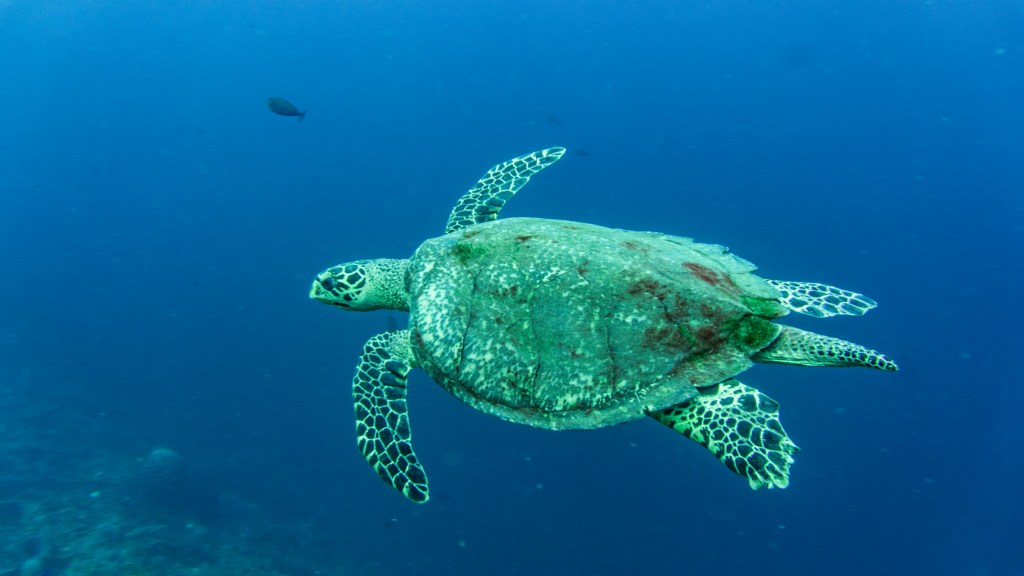
Poor things just trying to live their life eating jellyfish and algae, not ending up on a fishing boat 😦
Furthermore, a large portion of commercial fishing – targeting large pelagic fish, and benthic invertebrates like sea cucumbers and seahorse – falls under the umbrella of illegal, unreported, or unregulated (IUU) and/or is operated by foreign vessels taking catch from Fiji, landing and selling it elsewhere, most commonly in China. China also owns 100% of all seaweed aquaculture in Fiji, and local farmers are simply unable to enjoy the rewards of exporting an in-demand product.
The services to Fijian people that healthy fish stocks provide cannot be understated. Fish is one of the main sources of protein and income for a huge portion of Fijians, without which, malnutrition and poverty could become much more prevalent issues than they currently are. Indirect income from tourism attracted by healthy fish is also the backbone of the Fijian economy, providing roughly 40% of all income to this nation.
How can we manage these threats?
We have established that coastal habitats including mangroves and coral reefs, and terrestrial forests provide Fijians with income, food, and shelter from natural disasters which may become more serious as the effects of climate change worsen. How do we start to protect these ecosystem services from the threats which they face?
One of the first steps is to communicate the relevant science to the relevant stakeholders. There is so much science available to support the need for protection, but wading through the overgrown swamp of scientific publications is no task for a Fijian village, nor for their government. It is up to scientific communicators to pose the most current research in an accessible, understandable, and importantly a provoking manor, to facilitate the necessary change while including all three pillars – society, government, and science.
My goal as a conservationist is to conduct the research on the Namena marine reserve, to prove that appropriate marine protected areas yield positive results and help protect the services that the reef provides to Fijian people. To then communicate this knowledge effectively is the most important stage, otherwise the research will be falling on uninterested ears. I hope it will inspire implementation of more marine reserves around Savusavu, for the benefit of everyone who calls this beautiful place home.
Making it official.
In the UK, there are various bills, acts, and laws which can be called upon to justify marine protection. The most common type of MPA is called a marine conservation zone (MCZ) and is supported in law by the marine and coastal access act (2009).
Unfortunately, Fiji has no comparative legislation. The closest they come is the fisheries act, which transfers control of 411 fishing grounds across Fiji (qoliqoli sites) to the indigenous people, to be managed as they please. These sites have a combined area of 30,000 km2 which seems like a lot right? Now guess how much marine space Fiji as in their exclusive economic zone… The answer: 1,900,000 km2.
The term MPA has no relevance in Fijian law, making it extremely difficult to protect any of the reefs, wetlands, mangroves, or forests from human threats. I believe that this lack of formal legislation in a threat to conservation in itself, and acts as an open gate to exploitation of the majestic Fijian waters.
Most of the people I have met, and exchanged views on conservation with in Fiji desperately want to preserve their ocean, and as a scientist, it is our responsibility to communicate these needs towards the authorities, and develop the protection from destruction that Fiji, and many other developing island nations deserves.
Some areas have taken conservation into their own hands, such as Beqa Lagoon, a shark reserve in the south. Their community-led marine reserve supports shark conservation by implementing fees for tourists to visit and dive with the sharks.
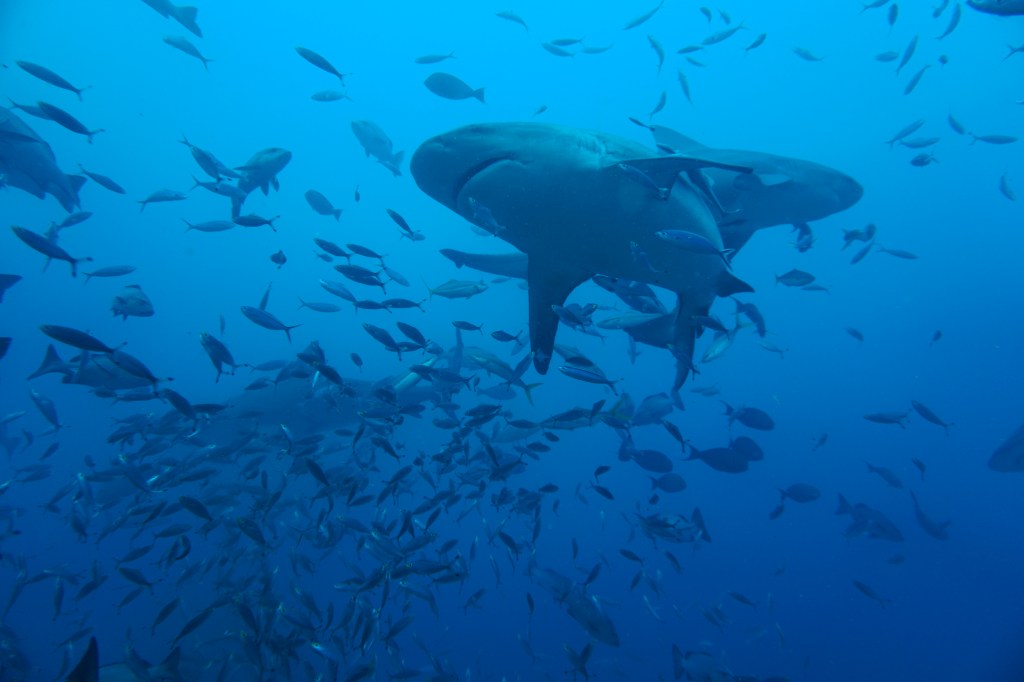
These fees are used to fund their efforts to police the marine reserve from IUU fishing, and fighting against the over-development of their coastal habitats and estuaries which the bull sharks use to give birth. It is hard to measure the success of this marine reserve, but their shark population has a very strong social media profile, and works to inspire tourists to love sharks, which I find an encouraging step.
Saving Savusavu
Savusavu is ne need of some help from the law. The local population live very simple lives, which are extremely sustainable by comparison to the rest of the world. Their ocean supports them, and they do their best to support it in return.
However what power does a small, relatively poor town have against a mega rich fishing industry, which seems to be supported by several governments across the world, including one of the biggest on the planet: China? Savusavu’s voices are too small and their needs are silent next to an obnoxious dollar sign.
It can feel like a constant uphill struggle a lot of the time, and in this economy, money talks. I will keep fighting my fight to protect my sharky pals, and I wish I could do more to a inspire the law to embrace marine conservation, and one day maybe achieve monumental change.
Maybe someone reading this will consider the origin of their tuna next time they buy it from the supermarket. Are you supporting a local fishing person, or are you supporting a destructive long-liner responsible for taking far more than just that tuna? Keep doing the right thing, I know you’re trying <3.


 Sam Snaaps
Leave a reply to jamesbondfranks Cancel reply